
The Importance of Weight in Electric Campervan Conversions – and How to Reduce It If…
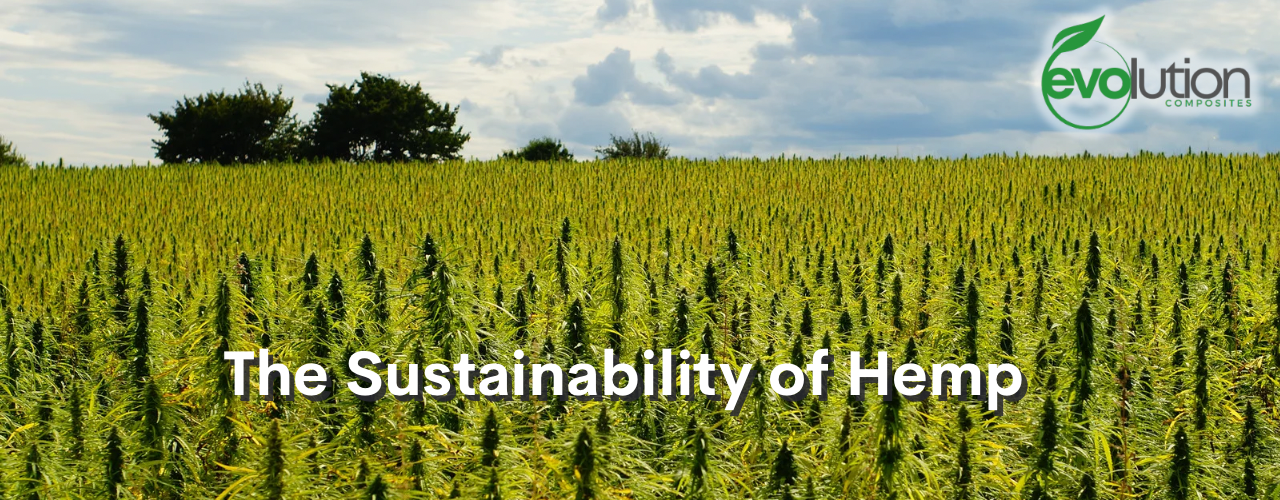
The Sustainability of Hemp
Sustainability
To assess the sustainability of a concept or material, it can be evaluated using the three pillars of sustainability, which represent the key commitments adopted by governments at the Rio Earth Summit in 1992.
- Economic Sustainability – The capacity to maintain long-term financial stability through responsible and sustainable management of capital, resources, and economic systems.
- Social Sustainability – The ability of a society to function and thrive over time by supporting equity, access to essential services, and strong, connected communities.
- Environmental Sustainability – The responsible management and protection of natural resources to maintain healthy ecosystems for present and future generations.
What makes hemp a sustainable manufacturing material in comparison to traditional alternatives?
Economic Sustainability
- The entire hemp plant can be turned into materials or products including stalks, fibre, seeds, shiv and leaves. This maximises value from a single harvest and strengthens the economic case for the crop.
- Hemp can be used to produce a wide range of products including fibre, oil, building materials and textiles which diversifies revenue streams and supports economic resilience.
- Hemp’s fast growth cycle and high productivity per hectare increase the economic returns from agricultural land compared to many traditional crops.
- The market for hemp-derived products is growing rapidly, indicating increasing consumer demand and economic opportunity. The market value for industrial hemp worldwide in 2020 was valued at USD 4.7 billion with growth predictions of revenues of USD 14.6 billion by 2026.
Social Sustainability
- Industrial hemp is a highly adaptable crop that can be grown successfully in a wide range of climates and soil types around the world.
- Its flexibility allows it to be integrated into diverse regional agricultural systems, supporting both established and emerging farming communities.
- While hemp can grow in many locations, specific varieties are best suited to local environmental conditions, which encourages regional expertise and optimised yields.
- The ability to grow hemp in a wide range of environments makes it ideal for locally sourced production models, enabling materials to be grown, processed, and manufactured close to home as part of a resilient, low-impact supply chain.
Environmental Sustainability
- Hemp can be grown as a carbon neutral or carbon negative crop as it has the ability to sequester carbon.
- Due to the durability and long shelf life of hemp products, carbon is sequestered in the crop for a long-life span.
- The long roots of hemp can help improve the soil quality as they anchor the soil and help reduce soil erosion, break up compacted soil to improve water filtrations and aeration and add organic matter. These effects are especially effective when used in a multi-crop rotation.
- Hemp is a low input crop and requires less water and chemical applications than comparable fibre crops.
Summary
In Summary, hemp is a versatile, fast-growing and low-impact crop that supports the economic, social, and environmental pillars of sustainability. Able to sequester carbon, improve soil health and provide multiple usable products from a single harvest, hemp offers a renewable, carbon-negative alternative to traditional materials such as timber and plastics. Its ability to grow in diverse environments and support local supply chains makes it a powerful solution for sustainable manufacturing and construction.
References
Kaur, G., & Kander, R. (2023). The sustainability of industrial hemp: A literature review of its economic, environmental, and Social Sustainability. Sustainability, 15(8), 6457. https://doi.org/10.3390/su15086457

Related Posts

This Post Has 0 Comments